
What is a doming label for electronics?
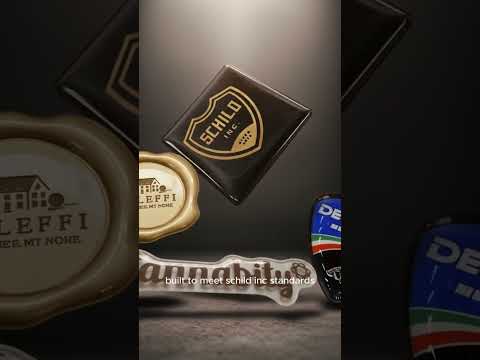
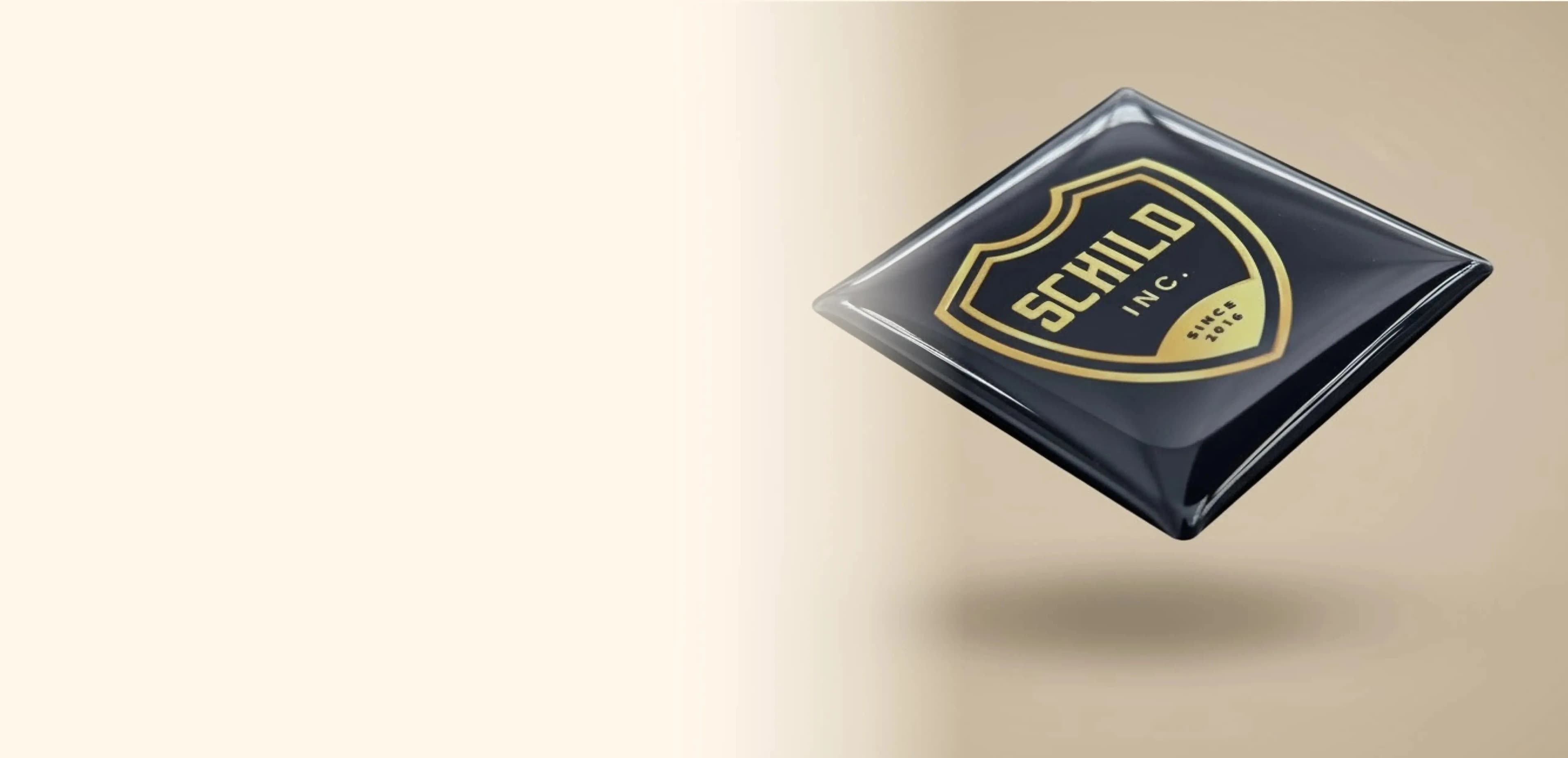
A doming label is a flexible metal label about 1 mm thick, with a glossy 3D resin dome (1.5–2 mm thick). This dome protects the metal and gives a premium, three-dimensional effect that boosts brand recognition. For electronic products this combination works particularly well: the metal provides durability and thermal stability, while the dome blocks UV radiation and scratches.
Key features
- Material: 100% tin, copper, brass or aluminium, no mixes or fillers
- 3D effect: glossy resin dome of 1.5–2 mm, forming a relief above the metal
- Flexibility: flexible thanks to the thin metal core, adapts to slightly curved surfaces
- UV and scratch protection: the dome protects against sunlight and mechanical wear, mercury-free and RoHS certified
- Minimum run: 250 pieces; test packs of 50–100 pieces available for new customers
- Lead time: 4–5 weeks after approval of the free digital preview
- Self-adhesive: prepared with Lohmann or 3M adhesive (depending on metal), ready to apply
- Price: around €0.57 per piece as a price example, depending on size and quantity

Why choose a doming label for electronic products?
Electronic products undergo frequent handling: unpacking, installation, transport, use in different environments. A standard paper label degrades quickly; vinyl stickers can come loose in heat or humid conditions. This is where the doming label has the advantage. More guides on this topic are in the category Doming & wooden labels.
First of all, the metal offers stability during temperature fluctuations. Electronics generate heat; when your brand needs to adapt to expansion and contraction, a rigid badge or paper label cracks. A 1 mm flexible metal label moves with it. Secondly, the dome protects the metal itself against oxidation and scratches. In practice we recommend aluminium for products used outdoors or in humid environments, because aluminium does not oxidise like tin or copper do.
From experience we know that electronics manufacturers who want premium branding prefer doming labels over vinyl because they feel tactile, as part of the product itself, not as a sticker on top.
3D relief: the more contrast, the stronger the effect
The 3D effect is determined by the relief in the metal and the thickness of the dome. As standard we create a subtle to moderate relief under the dome; this means that edges of letters or logos are sharply outlined by the glossy layer. Yellow contrasted against a matte black relief gives more visual depth than a monotone grey design. All versions and prices are on the page doming labels.

When you label electronic products, for example control cabinets, charging equipment or control panels, this contrast matters. It ensures your brand and nameplate information stand out immediately, even under indirect light.
A common mistake is assuming the dome is only decorative. In reality it is a functional shield: it spreads the UV radiation that would otherwise attack the metal, and it makes the surface more scratch resistant. This is especially relevant for devices with lots of touch or frequent cleaning.
Attachment and surface preparation
Doming labels come self-adhesive as standard. You stick them directly onto the electronic product. For a strong bond a clean, dry surface is essential; first use an alcohol wipe to remove grease and dust. Let the adhesive cure for at least 24 hours before you move or clean the product. Read our guide on domed stickers.
When you want to remove the label later (for example during repair or refurbishment), use a sticker remover. This prevents adhesive residue from remaining on the metal of the product itself.
See our custom doming labels for all industries and get advice on which size and metal best suits your electronic device.
Material choice: tin, copper, brass or aluminium?
Each metal choice offers a different advantage. Tin has a pure silver colour and is classic, but oxidises outdoors after a few months, so indoor products only. Copper has a warm red tone and also oxidises; brass (brass is a copper-zinc alloy) is somewhat more stable. Aluminium is your very best choice for outdoor or humid environments because it does not oxidise. More background on epoxy resin can be found on Wikipedia.
In practice for electronic products we generally recommend aluminium or tin. Tin for high-end indoor equipment (for example luxury audio equipment), aluminium for anything where moisture or temperature swings play a role. Schild Inc has since 2021 delivered over 800,000 metal labels to more than 1,200 business customers in 19+ countries; from that experience we know that the combination aluminium + resin dome is the most reliable for long-term electronics branding.
Certification and safety standards
Doming labels are mercury-free and certified to RoHS (Restriction of Hazardous Substances), REACH (chemical registration), ELV (end-of-life vehicles, applicable to automotive suppliers) and WEEE (electrical waste). This means you can integrate them in consumer products and B2B equipment without concern. Read our guide on doming vs metal label.
When you produce for European or North American markets, this certification simplifies your compliance significantly. You do not need to test separately; the labels meet the standards you already have to comply with.
Who is a doming label for?
Electronics manufacturers and OEMs
If you produce charging cables, USB hubs, batteries, control cabinets or control panels, a doming label is ideal. It offers brand recognition without extra bulk, can handle temperature changes, and feels premium. Your brand will not look like a cheap sticker.
Refurbishment and repair services
When you restore or spruce up electronic products, you may want to add your own brand or service label. Doming labels are moisture-resistant and stick in workshops with lots of cleaning chemicals. They are also easy to remove without residue left behind.
Brand and design agencies
If you design for electronics clients, a doming label offers a tactile advantage that standard paper labels do not have. You can use the relief graphically, for example engraving the logo deeper than the text sections, for extra premium feel.
Transparent doming labels for QR codes
One special case deserves mention: transparent doming labels. These have the same dome protection and flexibility, but are see-through. Ideal for electronic products where you want a QR code or serial number to remain visible behind the label (for example for warranty registration). The dome protects the code against scratches and UV, while it remains fully legible.
Bottom line: doming labels for electronics, yes, if...
Yes, doming labels are suitable for electronics branding if you prioritise durability, a premium look and brand visibility. They withstand temperature changes, UV radiation and regular handling better than paper labels or standard vinyl. No, if you want to produce under 250 pieces and cost saving is an absolute requirement, paper labels or digital print are cheaper for prototypes and small runs.
Our advice: request a tailored quote. We offer free digital previews, so you can see exactly how your brand will look before we go into production. For electronic products this is not a luxury but essential; the mark must fit your industrial design.