
What is an outdoor aluminium label?
An outdoor aluminium label is a 1 mm thin, flexible label made of 100% aluminium with a self-adhesive back. Aluminium does not oxidise and does not discolour in rain, sun or temperature changes, which makes it the recommended choice for outdoor conditions. The label follows curved surfaces, which is why many outdoor products (bikes, garden furniture, outdoor lighting) use it.
Key features
- Material: 100% aluminium (no alloy); material thickness 0.10 mm plus embossing and adhesive
- Outdoor stability: stays colourfast, does not oxidise after months or years in rain/sun
- Flexibility: bends with curves (frame, tank, curved surface)
- Fixing: self-adhesive (yellow Lohmann adhesive, Germany) or magnet on request
- 3D embossing: subtle relief boosts brand impact and feels premium
- Minimum order: can be under 250 pieces, but 250 pieces is more cost-efficient (price example: €1.27/piece at 250, drops to €0.60/piece at 2,500+)
- Lead time: 4–5 weeks after free digital preview
- Removal: can be taken off later with sticker remover, without scratches or glue residue

Why aluminium and not tin, copper or brass?
Many entrepreneurs reach for tin or copper because they sound classic, but in practice we strongly advise against tin for outdoors. Tin oxidises quickly. After a few months you already see dullness and discolouration, even with a protective layer. Copper and brass go the same way; they develop a dark layer or greenish patina. More guides on this topic are in the category Industry & stainless steel marking.
Aluminium stays unchanged. It does form a thin natural oxide skin, but that protects the metal underneath, unlike tin or copper, where oxidation continues. For garden furniture, outdoor lighting, bikes and other products that face the weather, aluminium is the logical choice.
One nuance: if you choose a printed top layer (for example a coloured logo on white), oxidation is less of a concern, because the metal under the print is much less exposed. But where the metal is still visible (fine lines, relief edges), it can still partly discolour. Our advice if in doubt: choose aluminium and accept a minimal silver-grey patina after a few years. It gives the label character.
Aluminium labels for different outdoor uses
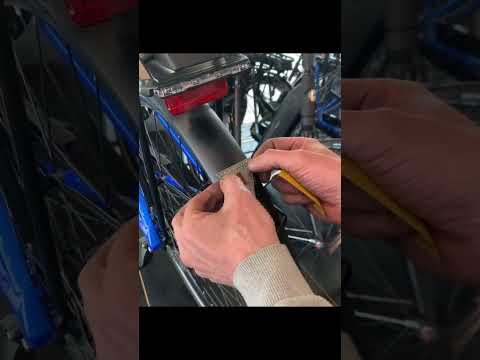
Aluminium works differently by sector. In bike labels & accessories , metal labels are the standard because a bike frame or mudguard is curved. A rigid 3 mm badge does not follow that curve and will not hold well. The flexible aluminium label bends along and bonds durably thanks to the Lohmann adhesive. Many bike makers order labels 3 to 5 cm wide as a removable branding element. The label comes off, but with effort. All variants and prices are on the page metal labels of 1 mm.

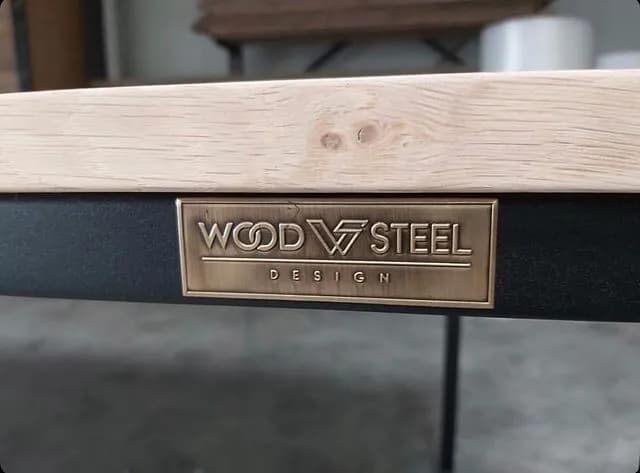
For garden and outdoor furniture it is the same: aluminium is first choice. Wooden surfaces are often lacquered or waxed, which reduces adhesion of self-adhesive. In that case we recommend screw mounting. On aluminium or steel frames the self-adhesive label works fine.
In industry and agriculture, where nameplates and serial numbers must survive outdoors, many customers choose aluminium because it resists UV, moisture and chemicals (think fertilisers, cleaning agents). Engraving or print on aluminium lasts for years without fading.
Adhesive technique and surface prep
The bond between label and surface determines durability. Aluminium labels use yellow Lohmann adhesive (German industry standard), which adheres to clean aluminium, steel, plastic and many paints. If you want the label to be semi-permanent, we also offer a thicker version on request; then it will not come off without damage. Also read our guide on industrial nameplates.
For bike frames and outdoor furniture we recommend lightly cleaning the surface first (dry cloth, no water). The adhesive bonds better on a grease-free surface. On very smooth or plastic-like surfaces, magnetic mounting can work better; we price that separately.
Do you want to remove the label later without scratches? Use a sticker remover (hairdryer-warm or special tool), not sharp objects. The Lohmann adhesive dissolves cleanly, without residue.
Size, thickness and weight
Aluminium labels are a maximum of 180–220 mm in one dimension; larger labels are priced per cm². The material thickness of 0.10 mm sounds thin, but thanks to the relief (which can stand out 0.3–0.5 mm) the label still feels sturdy. For bike branding many manufacturers use sizes of 3–8 cm; for industrial nameplates up to 20 cm.

The weight is negligible. Aluminium is light, which matters for bikes and mobile products. A 5 × 5 cm label weighs less than 1 gram. More background on stainless steel can be found on Wikipedia.
Design and contrast for outdoor use
Your brand’s visibility depends on contrast. With a printed top layer (colour on white or vice versa) this is no problem. But if you show the bare aluminium with relief, we advise a strong silhouette: large, sans-serif letters and simple shapes. Fine details and thin lines may be less visible depending on angle and light. Also read our guide on aluminium nameplates.
Many customers choose a glossy finish for more sparkle, which helps against fading. Matt silver is subtler and more business-like.
View our custom metal labels and discover how to design your own outdoor aluminium label.
Who are outdoor aluminium labels for?
Bike manufacturers and bike brands
Bikes are the classic example. A 4–6 cm label on the frame, mudguard or fork gives your brand visibility and can be removed later (big selling point for the second-hand market). Because aluminium does not rust and the label is flexible, it works on any frame: steel, aluminium, carbon with protective coat.
Outdoor furniture manufacturers
Garden and terrace furniture in aluminium or stainless steel deserves a brand that keeps up. An aluminium label looks professional and stays unchanged for years, even in damp environments. For wooden outdoor furniture we recommend screw mounting or a hard badge as an alternative.
Industry, construction and agriculture
Nameplates, serial numbers and safety warnings on construction tools, farm machinery and industrial installations must survive outdoors. Aluminium labels with engraved or printed information withstand UV, rain and temperature changes for years.
Pros and cons summarised
- No oxidation or fading outdoors
- Flexible (follows curves)
- Premium feel thanks to 3D relief
- Long lifespan (10+ years realistic)
- Relatively low cost in higher volumes
- Easy to remove without damage
- Minimum order 250 pieces (lower is possible, but unit price rises)
- Lead time 4–5 weeks
- No custom physical samples (free digital preview available)
- Very large labels (>180 mm) are priced per cm² and become more expensive
How much does an outdoor aluminium label cost?
An aluminium label (approx. 3.5 cm size) costs, as a price example, about €1.27 per piece at 250 pieces and drops to €0.60 per piece at 2,500+ pieces (excluding one-off die-cut and print costs). From 500 pieces you already see a step to €0.75/piece.
- Size and shape (round, rectangular, custom silhouette)
- Run size (the more, the lower the unit price)
- Finish (glossy, matt, brushed)
- Print or engraving (one-off set-up + print per piece)
Use the price calculator on the product page for your own configuration, or request a custom quote.
Conclusion
Yes, an outdoor aluminium label is the right choice if your brand must withstand years outdoors without fading. Aluminium does not oxidise, follows curves, feels premium thanks to the relief and stays stable in rain, sun and temperature changes. Whether you brand bikes, garden furniture or industrial equipment: aluminium is the craftsman’s choice. Schild Inc has since 2021 supplied over 800,000 metal labels to 1,200+ business customers in 19+ countries, with a 4.8-star rating on Google. With a minimum order of 250 pieces, a lead time of 4–5 weeks and a free digital preview you are quickly ready to take your product outdoors.