
What are aluminium nameplates?
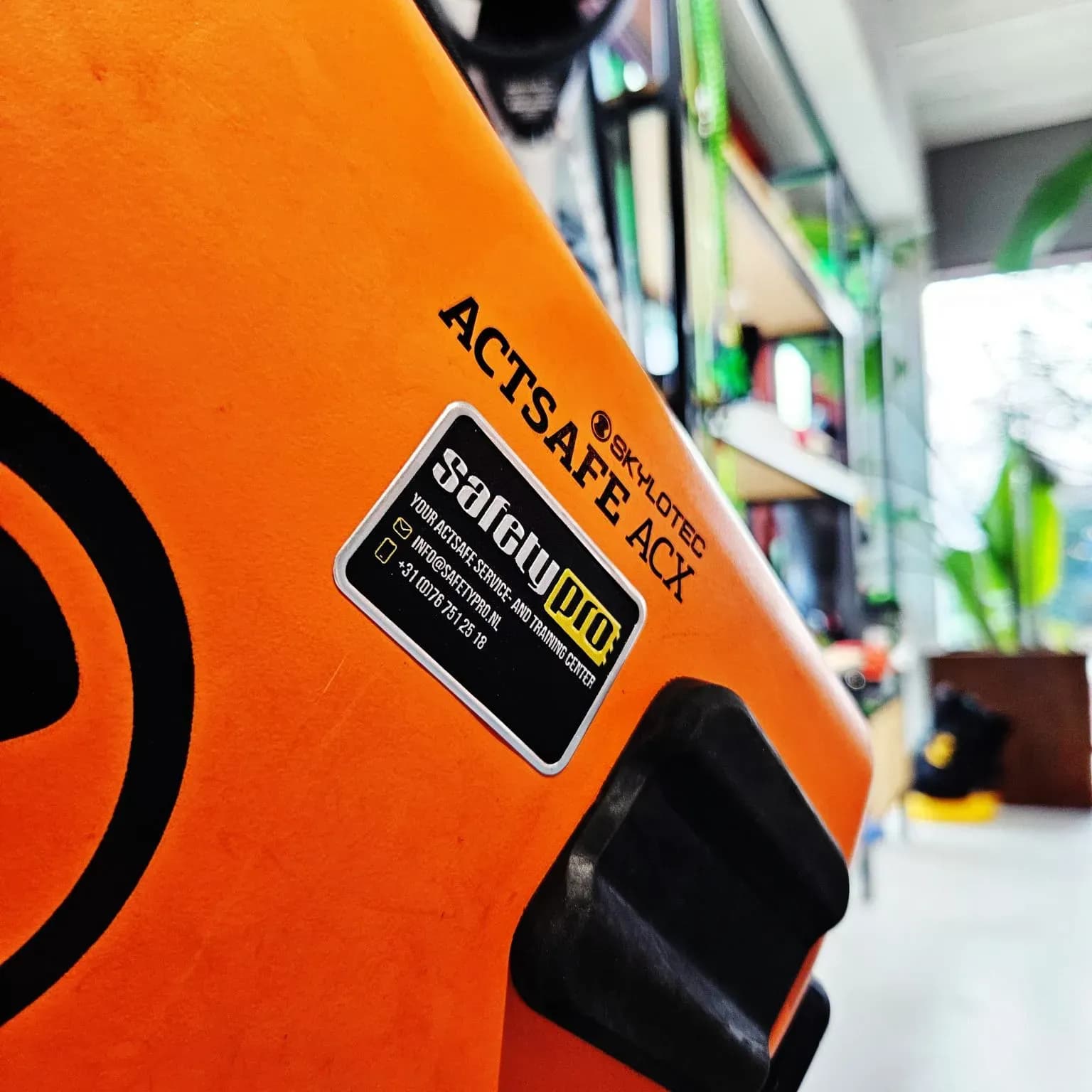
Aluminium nameplates are thin, self-adhesive metal labels 1 mm thick, made from 100% aluminium with a slight relief. They do not oxidise outdoors and stay stable for years, which makes them the preferred choice for branding on products and machines that must withstand weather and temperature changes.
Key features
- Material: 100% aluminium (0.10 mm core thickness), plus 3D relief and self-adhesive layer, total 1 mm
- Corrosion resistance: Remains unchanged outdoors, even after years; no oxidation like tin or copper
- Flexibility: Bends with curved surfaces (frames, bottles, cylinders); ideal for curves
- Fixing: Strong self-adhesive (Lohmann) or magnetic fixing; can be removed cleanly later
- 3D effect: Subtle relief makes the label three-dimensional, more visible with contrast
- Minimum run: From 100 pieces for test packs; from 250 pieces usually cheaper per unit
- Lead time: 4–5 weeks after approval of the free digital preview
- Made in Europe: Produced in Almere (NL) and shipped to 19+ countries

Why aluminium is the best choice outdoors
Aluminium stands out because it does not oxidise. Tin gets darker after a few months outside and takes on a grey-green patina; copper and brass develop the same patina. A protective coating helps, but where bare metal is still exposed it can still discolour in places. More guides on this topic are in the category Industry & stainless steel marking.
Aluminium stays silver-grey and stable, even in places with sea air or intense sun. From experience we know that customers who brand machines, bikes or outdoor furniture want aluminium because it stays clean for years without maintenance. This makes the label ideal for:</p>
- Industrial nameplates on metalwork and tools
- Bike manufacturers branding their frames
- Outdoor furniture and garden equipment
- Boats and maritime applications
Material thickness and the 3D relief
The 1 mm thickness of an aluminium label has three layers: the aluminium itself (0.10 mm), a 3D relief that stands proud of the surface, and a self-adhesive layer on the back. This relief gives the label depth and makes letters and logos more visible than on a flat surface. All versions and prices are on the page metal labels of 1 mm. All versions and prices are on the page metal labels of 1 mm.

The 3D effect gets stronger as you create more contrast between the relief and the flat parts. A dark printed background behind a raised silver logo boosts the effect a lot. Many customers pick aluminium because they want to keep the metallic effect; a black or white print on the surface would hide it.
Fixing and later removal
Aluminium labels use a very strong yellow Lohmann adhesive (German brand, made for aluminium and tin). It bonds well to plastic, wood, metal and painted surfaces, but lets go on oils, wax and dust. Read our guide on industrial nameplates. Read our guide on aluminium label outdoors.
A common mistake: on oiled or waxed wood (for example wooden musical instruments) the self-adhesive bonds less well. Our advice if in doubt: first check in an out-of-sight spot whether the adhesive holds. If it does not, choose a hard badge with a screw through a pre-drilled hole, or stick the label on a clean spot.
Want to remove the label later? Use a sticker remover (no sharp tools) and there will be no adhesive residue or scratches left. The label itself is reusable, the adhesive is not.
Size and unit price
An aluminium label of about 3.5 cm costs as a price example €1,27 each at 250 pieces. At larger runs the price drops: 500 pieces are around €0,75 each, 1,000 pieces around €0,64 each, and from 2,500 pieces around €0,60 each. The exact price depends on size, shape, colour and type of finish.

Large labels (up to 180–220 mm) are priced per square centimetre: about €0,04 per cm². You can also order labels below 250 pieces, but the unit price then rises a lot; 250 pieces is usually the most economical starting step.
Looking for a tailored quote? See our aluminium nameplates and configure your own label with the interactive tool.
Finish: printed, engraved or bare metal
You can finish an aluminium label in three ways: Read our guide on branding stainless steel. Read our guide on stainless steel nameplates.
- Bare metal: Silver-grey aluminium with only the relief. This highlights the material and the 3D depth. Suitable for premium products where you want to show the metal itself.
- Printed: A full design (logo, text, colour) printed on the surface. This hides the bare metal, but also protects against light oxidation (although aluminium does not oxidise anyway).
- Engraved: Letters or logos cut deeper into the material, more expensive, but very permanent.
With bare metal you see the silver-grey aluminium; this will not fade or discolour. With a printed label you mainly see the print; the metal is an underlayer.
Applications in different sectors
Aluminium nameplates are used most in sectors where outdoor durability counts. Here are the main examples. More background on stainless steel can be found on Wikipedia.
Bike industry and bike accessories
Bike manufacturers almost always choose the aluminium metal label. A frame or mudguard has curves, and only the flexible 1 mm label follows that curve. A rigid 3 mm badge would not sit flat and would stick out unnaturally. Schild has supplied labels for bike labels & accessories to more than 1,200 business customers since 2021.
Furniture and woodworking
Labels for furniture are often applied to wooden cabinets, tables or design objects. The aluminium label is light and subtle, especially in bare metal. Note: on untreated wood or thick lacquered surfaces the adhesive bonds excellently. On oils and waxes less well; always check first in an out-of-sight place.
Musical instruments and audio
Electric guitars, amplifiers and synthesisers often get a maker’s label. Aluminium is light and rust-free, and the subtle silver sheen pairs well with black or wood. Labels for musical instruments are chosen like bike labels because the flexible label can also go on round or arched wood/plastic parts.
Industrial and maritime applications
Aluminium nameplates are ideal for machines, pumps, engines and maritime equipment. They work as apparent alternatives to stainless steel nameplates: aluminium is almost as corrosion-resistant (certainly outside saltwater environments), cheaper and much thinner and lighter. A specific stainless steel nameplate product is coming, but the aluminium label is already the closest choice.
Comparison: aluminium label vs hard badge vs tin label
We showed the table earlier. In summary: aluminium wins on corrosion resistance and remains unchanged outdoors. Tin oxidises to dark grey after months. A hard badge is rigid and better suited to flat surfaces and visibility of the 3D effect; the aluminium label is flexible and better for curved shapes.
Who is aluminium right for?
Outdoor marking: bikes, garden tools, maritime
If you brand products that stand outside for months or years in all weather, choose aluminium. It stays stable and colourfast. A tin label would oxidise; aluminium does not.
Bike manufacturers and frame makers
The flexible label follows the curve of your frame. A rigid badge would sit askew. Schild Inc. has worked since 2021 with more than 1,200 business customers, many of them leading bike brands.
Industrial branding (machines, engines, tools)
Aluminium labels work as quick, light alternatives to more expensive engraved stainless steel nameplates. They last for years on metal and plastic.
Premium furniture and design
The subtle silver tone and the 3D relief give an impression of quality. The label is almost invisibly thin, not intrusive.
Practical tips for the best result
- Prepare the surface: Clean, dry, free of dust and oil. If needed use a soft cloth with some isopropyl alcohol.
- Application: Peel and apply slowly and carefully, no air bubbles. Start on one side and work to the other side.
- Temperature: The adhesive works better from at least 15 °C. In winter application can be harder.
- Choose contrast: With bare metal: dark background behind silver relief gives the strongest 3D effect.
- Storage: Store labels in a dry, cool place. Extreme heat can weaken the adhesive before you apply it.
Take the position: choose aluminium when durability matters
Yes, choose aluminium if you put labels outside, especially for machines, bikes or garden products. It stays stable for years without maintenance or fading, while tin and copper oxidise. No, if you need a very thick, rigid label (3 mm) or want very deep 3D, consider a hard badge (though it is not flexible and does not fare as well outdoors). Aluminium is for anyone who wants a smart, thin, durable alternative.
Since 2021 Schild Inc. has delivered over 800.000 aluminium labels to customers in 19+ countries, with a 4,8-star rating on Google, and 95% order again. A good indication that it works.
