

What is a bike frame label?
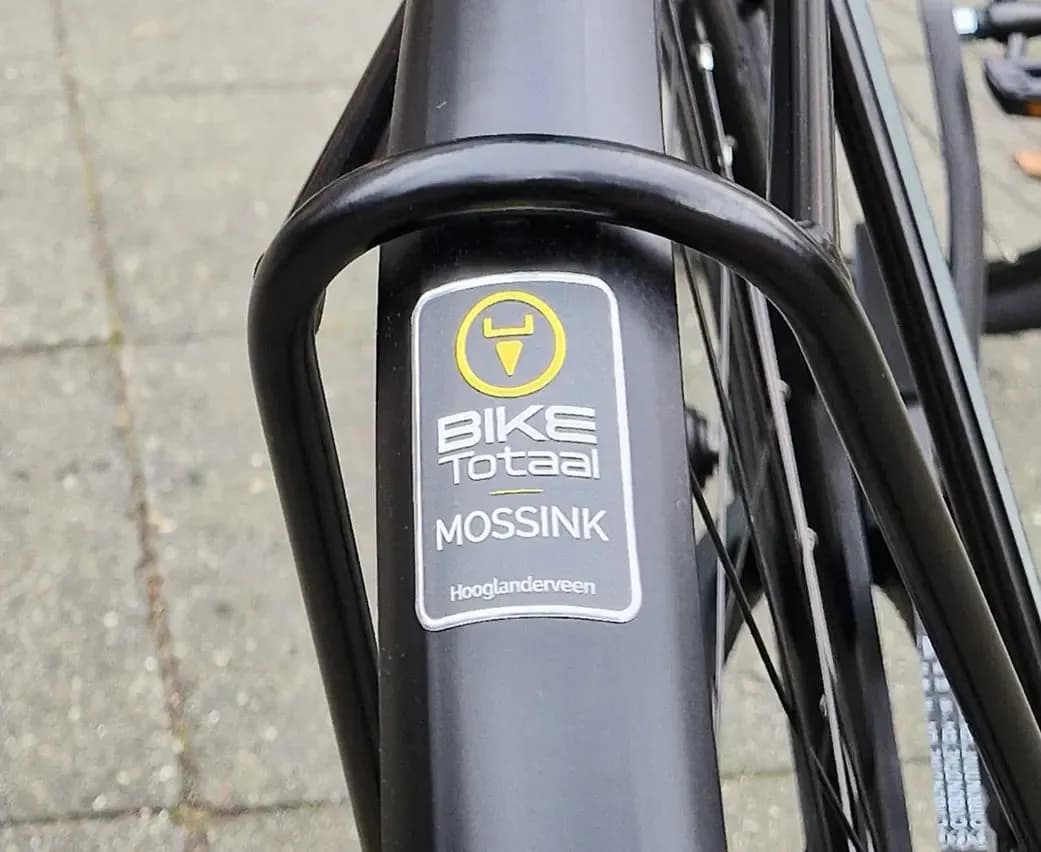
A bike frame label is a 1 mm thin, flexible metal label that you apply to the frame tube, head tube or mudguard of your bike. The label bends with the curve of the frame and is fixed with self-adhesive tape, so you do not need screws or tools. For anyone who wants to show brand identity on the bike, or set a custom-build frame apart from the standard manufacturers, this label is the industry standard.
Main features
- Thickness and flexibility: 1 mm thin, including relief and adhesive; the metal itself is only 0.06–0.16 mm depending on the material type. Flexible enough to follow round tubes up to about 45 mm diameter.
- Material choice: 100% tin, copper, brass or aluminium. For outdoor use we recommend aluminium; tin, copper and brass oxidise after a few months outside and develop patina (a dark, rough-grey layer).
- 3D relief: Both sides have subtle relief for extra depth and brand recognition.
- Fixing: Self-adhesive. For aluminium and tin we use yellow Lohmann adhesive (German standard), for copper and brass 3M adhesive, automatically selected based on your material choice.
- Minimum order: 250 units (or a 100-unit test pack for new customers). Lead time 4–5 weeks after approval of the free digital preview.
- Price (example): An aluminium label of about 3.5 cm costs roughly €1.27 per piece at 250 units, drops to about €0.75 per piece at 500 units and further to about €0.60 per piece from 2,500 units (excl. one-off die-cut and printing costs). You can request a tailored quote via the website.
- Removal: With an adhesive remover (no sharp tools) the label comes off; no adhesive residue or scratches remain.
- Aesthetics: A metal label looks premium and sets your frame apart from the many cheap sticker labels from competitors. That look suits higher-end e-bikes and custom builds.

Why a metal label works better than a hard badge for your frame tube
Most bike manufacturers and brands, from small custom builders to leading names such as Azor and BikeTotaal, choose a metal label on the frame tube as standard. That is not by chance. More guides on this topic are in the category Metal labels. Also read our guide on bike labels bike shop.
A bike frame, especially the head tube and the mudguard, is curved. A rigid 3 mm hard badge does not follow that curve; the badge would stand off the surface and not adhere well. A flexible 1 mm metal label, on the other hand, bends with the tube, so it sits completely flat against the frame. That flat contact lets the self-adhesive make good contact over the whole surface, which is essential for long-lasting adhesion.
In addition, hard badges come loose faster on round parts if the temperature swings (aluminium frames expand and contract) or if the bike gets a lot of vibrations. A flexible label absorbs those movements; it just stays put.
From our experience since 2021 with more than 800,000 metal labels sold, we know that this choice, flexible label not rigid badge, has been the fixed standard in the bike industry for years.
The right place: frame tube, head tube or mudguard
Where you apply the label depends on your brand strategy and the visibility you want.

Frame tube (most visible) The side of the main tube (or downtube) is the most popular spot. The label is clearly visible there, especially in photos of your bike. For a label of about 3.5 × 2 cm we recommend highlighting the middle of the tube, so roughly 10–15 cm up from the junction with the lower tube. Make sure you clean the surface first (lightly wipe with a dry cloth or with isopropanol to remove grease and dust); the label then adheres much better.
Head tube (subtle highlight) The tube that holds your handlebar (the head tube) also offers good visibility, especially for someone standing in front of your bike. A smaller label works better here (e.g. 2 × 1.5 cm). Note: this tube is narrow, so choose a label that fits the diameter well, not too wide, or it will not sit properly.
Mudguard (extra protection needed) Mudguards are also curved and therefore suitable for the flexible label. They are, however, exposed to rain, mud and spray. Place the label here only if you choose aluminium and the label has a printed top layer for protection; otherwise bare metal (tin, copper or brass) can still oxidise slightly at the edges. Aluminium is the safest; the oxidising of aluminium (formation of a thin aluminium oxide layer) does not look like rust, but like a dull grey patina.
Size and shape: how big should your label be
The size of your frame label helps determine your brand impact on the bike. Also read our guide on bike label outdoors.
For a standard frame tube (diameter approx. 28–35 mm) we recommend labels of 3–4 cm width . That is large enough to make your logo clearly visible, but small enough not to bluntly span across the tube. Labels that are too small (under 2 cm) disappear visually at a distance; labels that are too large (over 5 cm) can be hard to bend well on a narrow tube.
If you want a more minimal label (e.g. only your brand name or initials), then 2–2.5 cm width also works well.
The largest size we make is 180–220 mm width; for labels larger than 10 cm² we charge per cm² (€0.04 per cm², as a guide). For large labels you must avoid uneven adhesive application, or the edges can lift.
Our advice if in doubt: finish a digital preview first and view it in context. We send you a free preview before you order, so you can see for yourself if the size works out well. More background on aluminium can be found on Wikipedia.
Choosing material: aluminium, tin, copper or brass
Each material has a different look and different behaviour outdoors.

Aluminium (silver grey, does not visibly oxidise) Aluminium is the most practical choice for frames that live outdoors. The oxidising of aluminium is not a problem: over time a thin, natural protective layer forms, and the surface stays grey-silver, not rusty. Aluminium labels are light and affordable. Use Lohmann adhesive.
Tin (shiny silver, starts to oxidise after months) Tin has a nice shiny silver look, but only in protected settings (indoors, musical instruments, perfume bottles). For outdoor frames we advise against tin. After 3–6 months in wind and weather, tin develops patina, a dark, dull layer that changes the original look. Use Lohmann adhesive.
Copper (red-gold, oxidises to patina) Copper looks premium and only gets more character with patina (that darker, characterful look). Copper is also suitable outdoors, provided you like the colour change. For very large copper labels (more than 15 cm²) we need a thicker Lohmann adhesive, because surface tension can otherwise make the edges lift. Use 3M adhesive.
Brass (gold-coloured, like copper) Brass gives a warm gold colour and also oxidises. Only for those who want the vintage look. Use 3M adhesive.
Our practical recommendation: for outdoor frames, especially for e-bikes and higher-end custom builds, choose aluminium. It keeps looking neat, is maintenance-free and suits the modern, clean look of a contemporary bike.
See our metal labels made for bikes and configure your own label as you wish
Fixing step by step
- Cleaning: Wipe the frame tube clean first with a dry cloth. If there is grease or grit on it, bring the bike into the garage and let it warm to room temperature. Remove grease with a damp cloth and isopropanol (like you use for electronics); then dry thoroughly. This ensures optimal adhesion.
- Positioning: Hold the label against the frame and check if it is straight. On a frame tube, work from top to bottom; try to highlight the middle of the tube. Optionally mark two points lightly with a pencil (you can erase them later).
- Application: Peel the protective film from the back of the label. Start at one corner and press the label slowly and carefully onto the frame. Work from one side to the other, not all at once left to right, so you push the air out. Press firmly for at least 10 seconds.
- Curing: Let the label cure for at least 24 hours before using the bike. The Lohmann and 3M adhesives reach full strength after 48 hours.
Who is a bike frame label for?
E-bike and bike manufacturers
A brand label on the frame tube is standard for all brands that want to distinguish their frames. Schild works with more than 500 bike businesses, from small Dutch brands to larger distributors. A metal label gives your frame more prestige than a regular sticker and fits better with the price class of modern e-bikes (€1,500–€5,000+).
Bike repairers and custom builders
If you want to put your own brand name or logo on frames you build or rebuild, a metal label is a handy way to mark your work. You can remove the label without leaving scratches (with an adhesive remover), so it also suits customers who want to resell their frame later.
Bike-sharing and rental platforms
Bike-sharing companies use labels for identification and branding. A durable metal label is far more robust than a sticker and you will not snag on it during cleaning or maintenance.
Conclusion: yes, a bike frame label suits your bike
Yes, a bike frame label is the right choice if you want to give your bike a premium, recognisable look and have your brand name clearly visible. Choose aluminium for outdoor use, make sure you clean the frame tube well before applying the label, and give the adhesive 24–48 hours to cure. The flexibility of the 1 mm label lets it bend with the curve of your frame, which a rigid badge can never do.
If you want to request a tailored quote for your frame label, check our bike labels and accessories or get in touch. We provide a free digital preview and you receive your order within 4–5 weeks.
