
What is a musical instrument label?
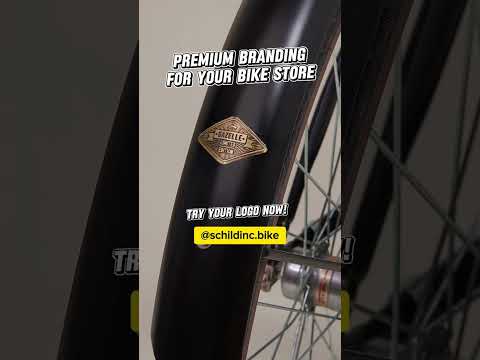
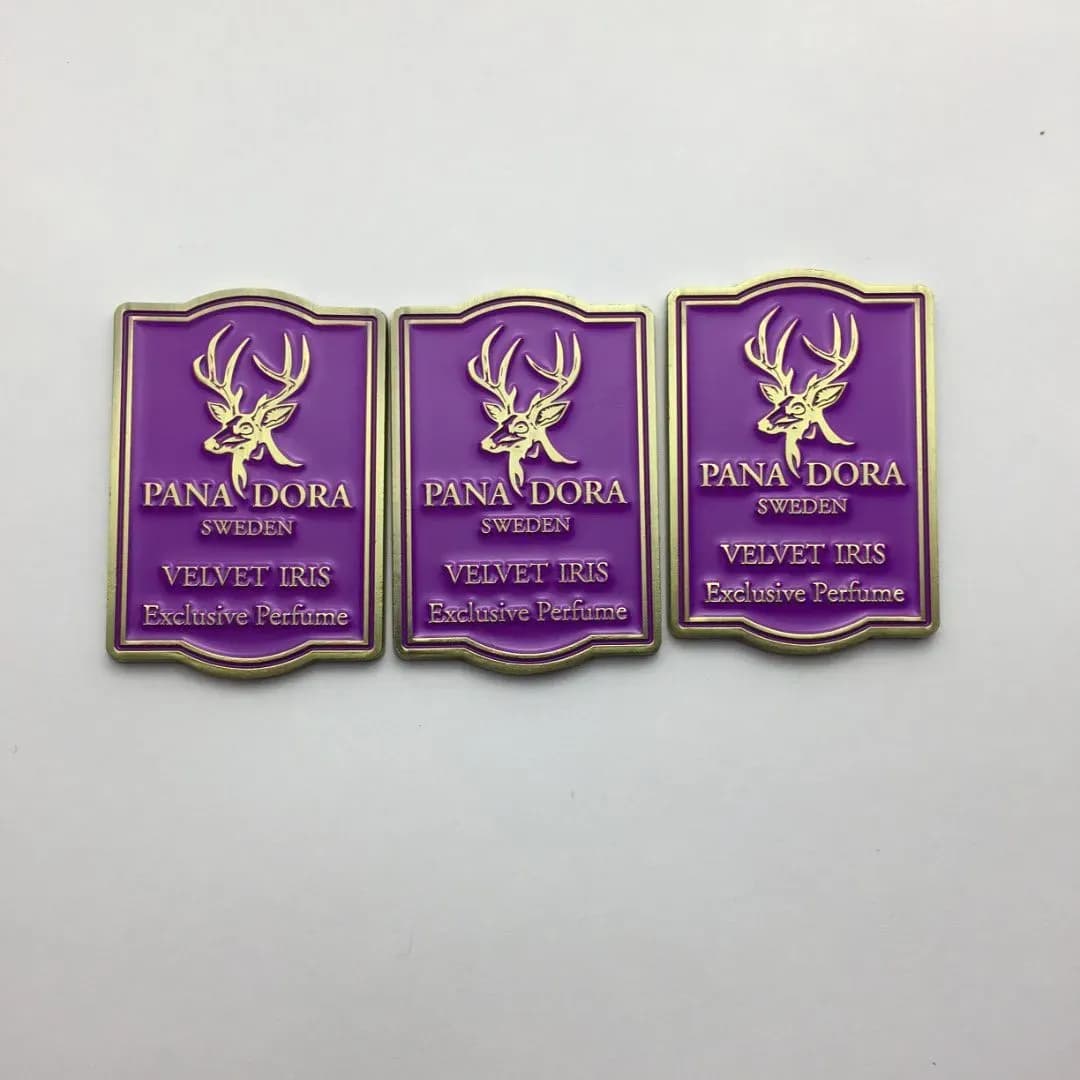
A musical instrument label is a durable metal nameplate that you apply to guitars, basses, drums or other instruments. It carries your brand name, logo or serial number and stays visible and intact for years.
Key features
- Material: 100% metal (tin, copper, brass or aluminium), no plastic or resin
- Thickness: 1 mm including relief and self-adhesive layer; flexible enough to bend with curves
- 3D effect: subtle relief on the surface makes your branding visible, even from a distance
- Fixing: self-adhesive with yellow Lohmann adhesive (tin/aluminium) or 3M adhesive (copper/brass); magnet option for extra grip
- Minimum order: 250 pieces; can be a test pack from 50–100 pieces for new customers
- Lead time: 4–5 weeks after approval of the free digital preview
- Price: around €1.27 each at 250 pieces (example price, excluding one‑off tooling costs)
- Oxidation resistance: aluminium advised for long-term outdoor use; tin, copper and brass change colour after months to years

Why metal over plastic
Instrument makers, from home builders to professional manufacturers, choose metal labels because they signal craftsmanship. A plastic sticker fades, scratches and goes dull. A metal label feels solid and stays clearly legible for decades. More guides on this topic are in the category Metal labels.
Since 2021 Schild Inc. has sold over 800,000 metal labels to more than 1,200 business customers in 19 countries. Instrument builders such as Soto Fine Guitars use our labels to mark their custom builds permanently.
Choosing the right material
Your choice of metal determines not only the look, but also how the label ages over time. All versions and prices are on the page 1 mm metal labels. All versions and prices are on the page 1 mm metal labels.

Tin: classic, warm grey, subtle sheen. After months outdoors, tin can oxidise on the surface and darken, almost like a patina effect. Ideal for indoor instruments; less suitable for a garden pavilion.
Copper: warm reddish colour, oxidises green (patina). Popular with vintage-style brands. Gains character over time, but also gets darker.
Brass: gold-like tone, the thinnest option (0.06 mm metal under the relief). Also prone to oxidation, but faster than tin. Elegant, but not ideal for outdoor use.
Aluminium: silvery, very weather-resistant. Does not visibly oxidise and keeps its colour for decades. This is our recommendation for instruments that are regularly outdoors or in damp spaces (e.g. an events venue, a studio by the sea).
From experience, once you choose a metal label in aluminium, you will not need to worry for a long time. Tin and copper add a warmer character, but expect them to change colour slowly.
How to fix the label
The most practical way is self-adhesive. Your surface must first be dry and grease-free; usually a quick wipe with a soft cloth is enough. Press the label down firmly and let it cure for at least 24 hours before you play or transport the instrument. Read our guide on having a metal logo made. Read our guide on metal label finishes.
Note: self-adhesive labels stick less well to oiled or waxed wood (classical wooden instruments sometimes have an oil finish). In that case we recommend pre-drilling the hole and fixing the badge with a small screw/bolt or even a magnetic plate.
See our custom metal labels and choose the material and size that suits your instrument.
Size and 3D effect
Most guitar labels are about 3–4 cm, big enough to show your logo clearly, small enough not to be intrusive on the headstock or bolt. Bass guitars can carry a slightly larger label. For this sector we have a separate page: labels for musical instruments.

The 3D relief makes your branding stand out. With a 1 mm metal label the effect is subtle but elegant. If you want maximum impact and your instrument can handle the stiffness, a hard badge (2–3 mm, made from coloured zinc alloy) is more prominent; the relief really jumps out from the surface. More background on musical instrument can be found on Wikipedia.
Note: a badge has a drilled hole and must be fixed with a screw, bolt or adhesive. It is not flexible, so only suitable for flat surfaces (for example a drum kit, a guitar case, or the back of an amplifier).
Coloured top layer or bare metal
You can choose a printed top layer (e.g. a coloured logo on a white or black background) or show the bare metal with engraving/relief only. Read our guide on metal labels. Read our guide on metal label thickness.
A printed top layer gives extra protection against oxidation; where the ink sits, the metal cannot come into direct contact with air and moisture. The downside: you do not see the metal, or only partly. If you want to show the warm tone of copper or the shiny silver of aluminium, choose engraved bare metal. Be aware that where the metal is exposed, tin and copper can still oxidise on the surface after months to years of outdoor use.
Price and smaller runs
An aluminium label of about 3.5 cm in size costs, as an example price, about €1.27 each at 250 pieces and drops to about €0.60 each from 2,500 pieces (excluding one‑off tooling costs). Exactly depends on size, shape, material and quantity.
Many makers ask: can it be done with fewer than 250 pieces? Yes, metal labels can be under 250, but the unit price rises quickly. With 100 pieces you pay almost double per unit. For a test pack we offer 50–100 pieces for new customers. Once you are sure, we recommend 250 pieces: the price per label then becomes much more economical.
Hard badges cannot be under 250 pieces; that is truly the minimum for that cast zinc alloy.
Who is this for
Professional instrument builders
Do you make handmade guitars, basses or ukuleles? A metal label with your logo or serial number gives every build a professional touch. It looks like you have been in the trade for years.
Restorers and makers
Do you repair classic instruments or build custom drum kits? A discreet tin or brass label shows ownership without breaking the original design.
Bands and music schools
Do you want to label instruments for rental or to deter theft? An aluminium nameplate with your school logo or band name is durable and discouraging.
Conclusion
Yes, a musical instrument label is the right choice if you want a professional, durable brand on your guitar, bass, drum or other instrument. Choose your material (aluminium for outdoor assurance, tin or copper for character), decide the size and design your logo. Within 4–5 weeks after the preview you will have your labels. Free digital preview included, no unpleasant surprises on the invoice.
Only limitation: below 250 pieces it gets more expensive per unit; for professional builders, 250+ is standard and much better value.